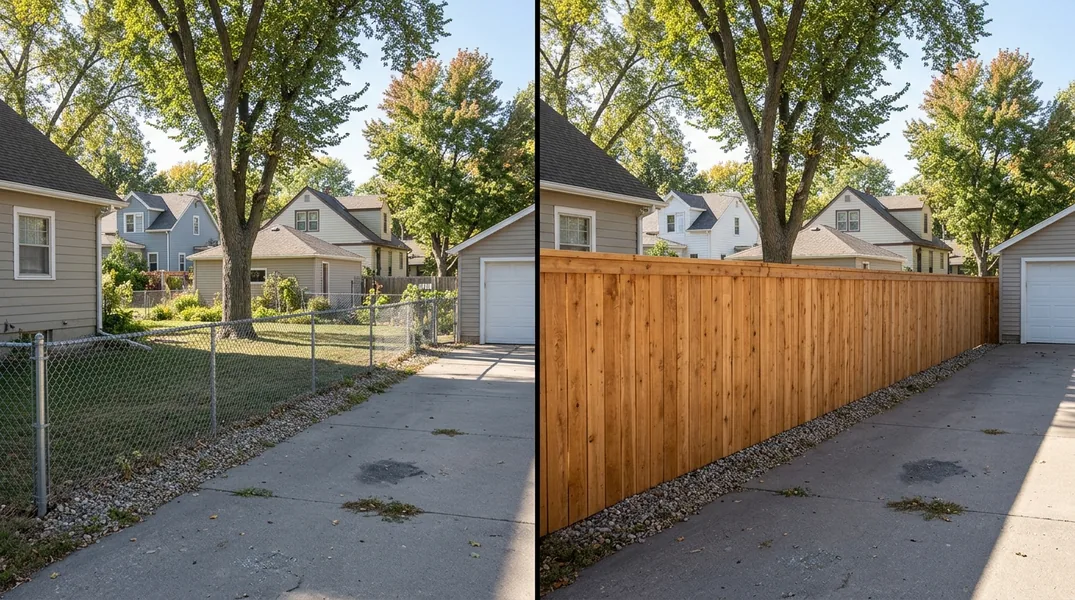
How Long Does a Wood Fence Last in Lincoln?
If you've invested in Wood & Privacy Fence Installation for your home in Lincoln, you're probably wondering how many years you can expect it to stand strong. The answer depends on several factors, but most wood fences in the Lincoln area last between 15 and 20 years with proper maintenance. Some well-maintained fences can push closer to 25 years, while others may deteriorate faster if neglected or exposed to harsh conditions.
The lifespan of your wood fence is heavily influenced by the type of wood used, the local climate, and how diligently you maintain it. Lincoln's climate, with its cold winters, hot summers, and moderate precipitation, presents both challenges and opportunities for wood fence longevity. The freeze-thaw cycles that occur during Nebraska winters can stress wood fibers, while summer heat and occasional moisture can encourage rot and insect activity. Understanding these environmental factors helps homeowners make informed decisions about their fence investment and plan for eventual replacement.
Key Factors That Affect Wood Fence Lifespan
Several variables determine whether your wood fence will last 12 years or 25 years. The wood species you choose is perhaps the most critical factor. Pressure-treated lumber, the most common choice for residential fencing, typically lasts 15 to 20 years. Cedar and redwood are naturally more rot-resistant and can last 20 to 25 years or longer, though they come at a higher pricing point. Pine and spruce, while less expensive, are more susceptible to decay and may only last 10 to 15 years without exceptional care.
Beyond the wood type, maintenance practices play an enormous role in fence longevity. Regular staining or sealing every two to three years protects the wood from moisture penetration and UV damage. Proper drainage around the fence line prevents water from pooling against posts, which accelerates rot. Keeping vegetation trimmed away from the fence allows air circulation and reduces moisture accumulation. In Lincoln, homeowners who invest time in seasonal maintenance consistently see their fences outlast those that receive minimal attention. Additionally, the quality of the original installation matters significantly. Posts set too shallow or in poor-draining soil are more prone to failure, while properly installed posts with concrete footings can remain stable for decades.
Signs You Need a New Fence: When Replacement Is Overdue
Recognizing the warning signs that your wood fence is nearing the end of its life helps you plan for replacement before it becomes a safety concern or eyesore. Soft or spongy wood is one of the most obvious indicators of advanced decay. If you can easily press a screwdriver or your fingernail into the wood and it sinks in without resistance, rot has compromised the structural integrity. Visible cracks, splits, and warping are also common signs of aging. While minor surface cracks are normal, deep splits that run through the posts or boards suggest the wood is losing its strength and flexibility.
Leaning or wobbly sections are a red flag that posts may be failing or the foundation is compromised. If you can push on the fence and it moves significantly, the structural support system has likely deteriorated. Widespread discoloration, mold, or mildew indicates moisture problems that will only worsen over time. Missing or severely damaged boards make the fence less effective at providing privacy and security. Pest damage, such as visible termite galleries or carpenter ant tunnels, requires urgent attention because insects can spread to other wooden structures on your property. If you're noticing multiple signs of decline, it's time to contact Lincoln Fence for a professional assessment and discuss replacement options.
Extending Your Wood Fence's Life: Maintenance Tips for Lincoln Homeowners
Proactive maintenance can add years to your wood fence and delay the need for replacement. Sealing or staining your fence every two to three years is one of the most effective preventive measures. These protective coatings create a barrier against moisture and UV rays, which are the primary culprits behind wood degradation. Choose a high-quality exterior wood stain or sealant designed for your climate zone, and apply it on a dry, mild day for best results. Regular inspection in spring and fall allows you to catch small problems before they become major issues.
Keep the area around your fence clear of vegetation, leaves, and debris. Moisture-loving plants and accumulated organic matter trap humidity against the wood, accelerating rot and encouraging mold growth. Trim back any shrubs or vines that touch the fence, and rake away fallen leaves and needles, especially in autumn. Ensure proper drainage by grading soil away from the fence line so water doesn't pool against the posts. If you notice areas where water tends to collect, consider installing a shallow trench or adjusting the landscape to redirect water flow. Address any damage promptly. A single loose board or cracked post can lead to cascading problems if left unrepaired. Small repairs are far less costly than replacing entire sections or the entire fence structure.
Wood & Privacy Fence Installation Near Me: When to Call a Professional
Even with excellent maintenance, there comes a time when replacement is the only practical solution. If your fence is showing multiple signs of decline or is approaching the end of its expected lifespan, consulting with a professional fence contractor is a smart decision. Lincoln Fence has been serving homeowners throughout the area with expert installation and maintenance advice. Our team can evaluate your current fence, discuss your options, and help you choose the best material and design for your needs and budget.
Whether you're ready to replace your aging wood fence or simply want a professional opinion on its remaining lifespan, we're here to help. We offer free estimates and can discuss various fencing options, including Vinyl & PVC Fence Installation, Chain Link Fence Installation, and Aluminum & Ornamental Iron Fencing, if you're considering an alternative to wood. Call us today at (402) 858-4049 to schedule your consultation and get started on your fence project.
Planning Your Fence Replacement Budget
Understanding the typical fence lifespan helps you budget for replacement down the road. Rather than viewing a new fence as an unexpected expense, savvy homeowners plan for it as a long-term investment. If your wood fence is currently 15 years old and showing signs of decline, budgeting for replacement within the next 2 to 5 years is reasonable. This allows you to save gradually and choose the right time for installation, rather than facing an emergency replacement when a major failure occurs.
The cost of a new fence depends on several factors, including the material chosen, the length of the fence line, local labor rates, and site conditions. Wood fencing typically falls in the mid-range for residential options, while premium materials like cedar command higher prices. For a detailed breakdown of pricing and to understand what your replacement project might cost, reach out to Lincoln Fence at (402) 858-4049. We'll provide a transparent estimate and explain the value you're getting with quality materials and professional installation. Planning ahead ensures you can make the best decision for your home without rushing into a choice you might regret.
Looking for a professional fence contractor in Lincoln? Lincoln Fence responds fast for all your fence needs.
Get a Free Quote